Administration Development: The Importance of Efficiency and Innovation in Organization
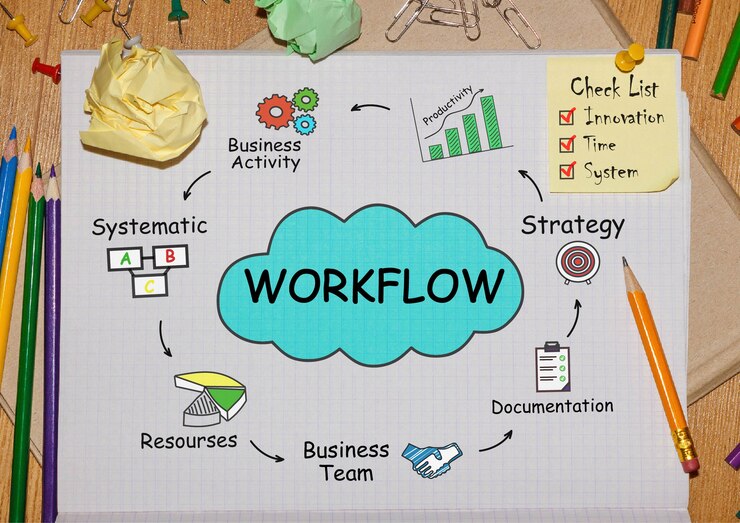
Administration is one of the crucial aspects in the functioning of an organization, whether in the public or private sector. The development of administration refers to efforts to improve the effectiveness, efficiency, and productivity of administrative systems to meet the demands of an ever-evolving world. With the right development, administration can become a key driver for an organization's success in achieving its goals.
1. Definition of Administration Development
Administration development is the process of improving, innovating, and enhancing the performance of administrative activities. This includes various aspects such as planning, organizing, managing resources, coordinating, and controlling organizational activities. The focus of administration development is to create systems that are more effective, efficient, and responsive to changes and the needs of stakeholders.
2. Goals of Administration Development
The main objectives of administration development include:
- Improving Operational Efficiency: Reducing waste of time, energy, and resources in administrative processes.
- Encouraging Innovation: Adopting new technologies and creative approaches in carrying out administrative tasks.
- Improving Service Quality: Enhancing user satisfaction through faster and better service delivery.
- Ensuring Compliance with Regulations: Aligning administration with applicable policies and regulations.
- Increasing Transparency and Accountability: Building an administration system that is more open and accountable.
3. Strategies for Administration Development
To achieve these goals, effective strategies are required, such as:
a. Digitalization of Administration
Information technology plays a vital role in administration development. Through digitalization, administrative processes become faster, more transparent, and efficient. Examples include the implementation of e-office systems, digital archive management, and other supporting applications that minimize bureaucratic hurdles.
b. Capacity Building of Human Resources (HR)
Developing HR competencies through training, workshops, and continuous education is essential to ensure that administrative staff possess the skills needed to meet the demands of the job.
c. Simplification of Administrative Processes
Complex administrative processes can hinder organizational performance. Therefore, it is important to evaluate and simplify procedures to enhance efficiency without compromising service quality.
d. Strengthening the Monitoring and Evaluation System
An effective monitoring system helps ensure that administrative processes follow established standards. Periodic evaluations are also necessary to identify challenges and opportunities for improvement.
4. Challenges in Administration Development
Despite its importance, the development of administration faces several challenges, including:
- Resistance to Change: Many individuals may resist change due to deeply rooted old habits.
- Limited Resources: Both human resources, technology, and budgets are often significant constraints.
- Lack of Technical Competence: A lack of skills in using modern technologies can hinder the digitalization of administration.
- Rigid Bureaucracy: Highly hierarchical organizational structures can obstruct flexibility and innovation.
5. Examples of Successful Administration Development
Some organizations have successfully developed administration with innovative steps, such as:
- Government Agencies with E-Government Systems: The use of digital services to make it easier for the public to access information and administrative services.
- Private Companies with ERP (Enterprise Resource Planning): Integrating all administrative processes into one technology-based system.
Conclusion
The development of administration is a necessity that cannot be overlooked in the modern era. With the right strategies, such as digitalization, HR capacity building, and process simplification, organizations can enhance efficiency and productivity. However, challenges such as resistance to change and resource limitations must be addressed with a thoughtful approach. Through innovation and continuous improvement, effective administration will be the key to achieving organizational goals.
Back to Home